
Micro switches are small yet critical components in countless applications — from automotive dashboards to home appliances, industrial equipment to consumer electronics. Choosing the right micro switch impacts product reliability, lifespan, and overall performance.
With over 20 years of manufacturing experience, WEUP understands the decision-making process buyers face. This guide walks you through the key factors to consider when selecting a micro switch for your specific application.
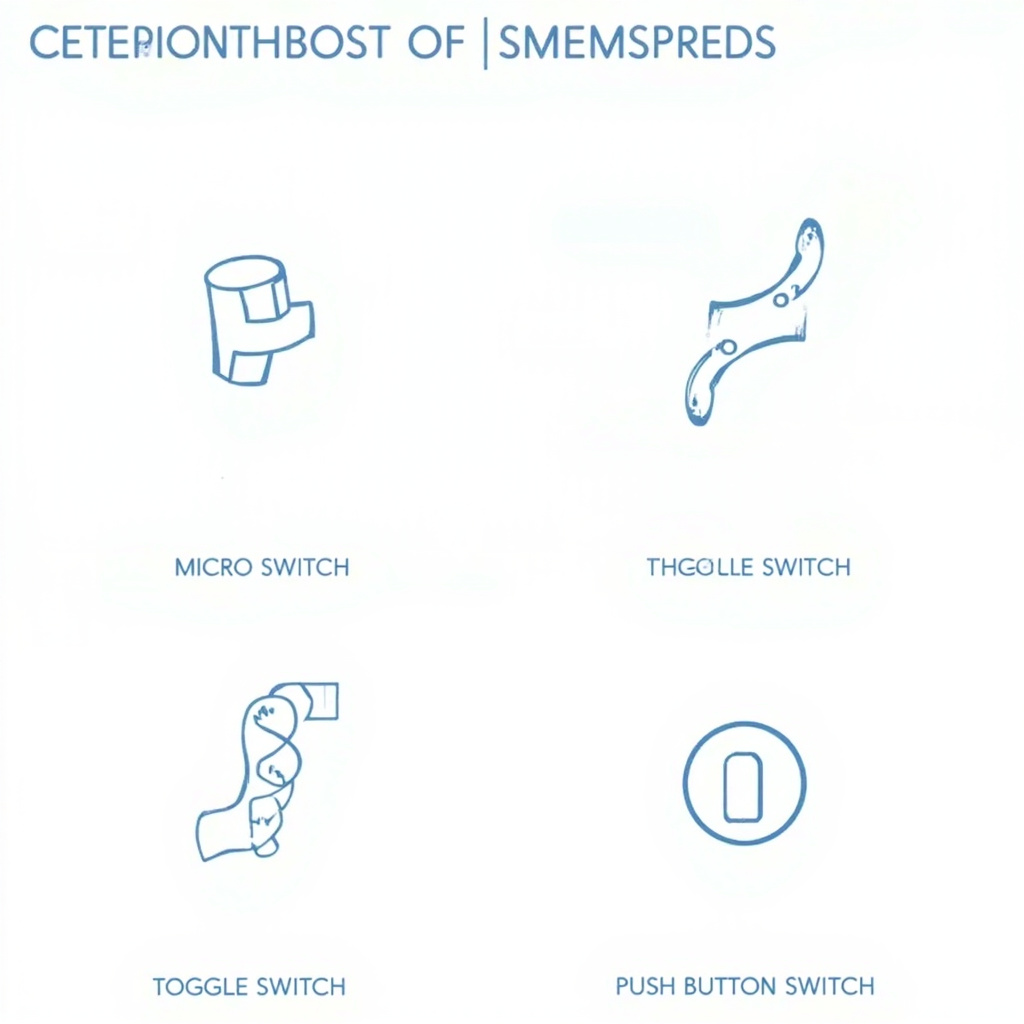
What is a Micro Switch?
A micro switch (also called a snap-action switch or mini switch) is an electromechanical device that uses a spring-loaded mechanism to produce a snap-action contact movement. This design ensures reliable switching even at low actuation forces.
Key characteristics:
- Quick, decisive contact action
- Long mechanical lifespan (typically 10,000 to 1,000,000 cycles)
- Compact size with high switching capability
- Wide operating temperature range
6 Key Factors to Consider
1. Electrical Rating
The electrical rating defines how much current and voltage the switch can handle. Always check both the maximum current AND voltage. Using a switch beyond its rating leads to premature failure or safety hazards.
WEUP tip: If your application involves inductive loads (motors, solenoids), derate the switch to 30-50% of its resistive rating to account for inrush currents.
2. Actuation Force
Actuation force is measured in grams. Higher actuation force provides better resistance to vibration and accidental activation.
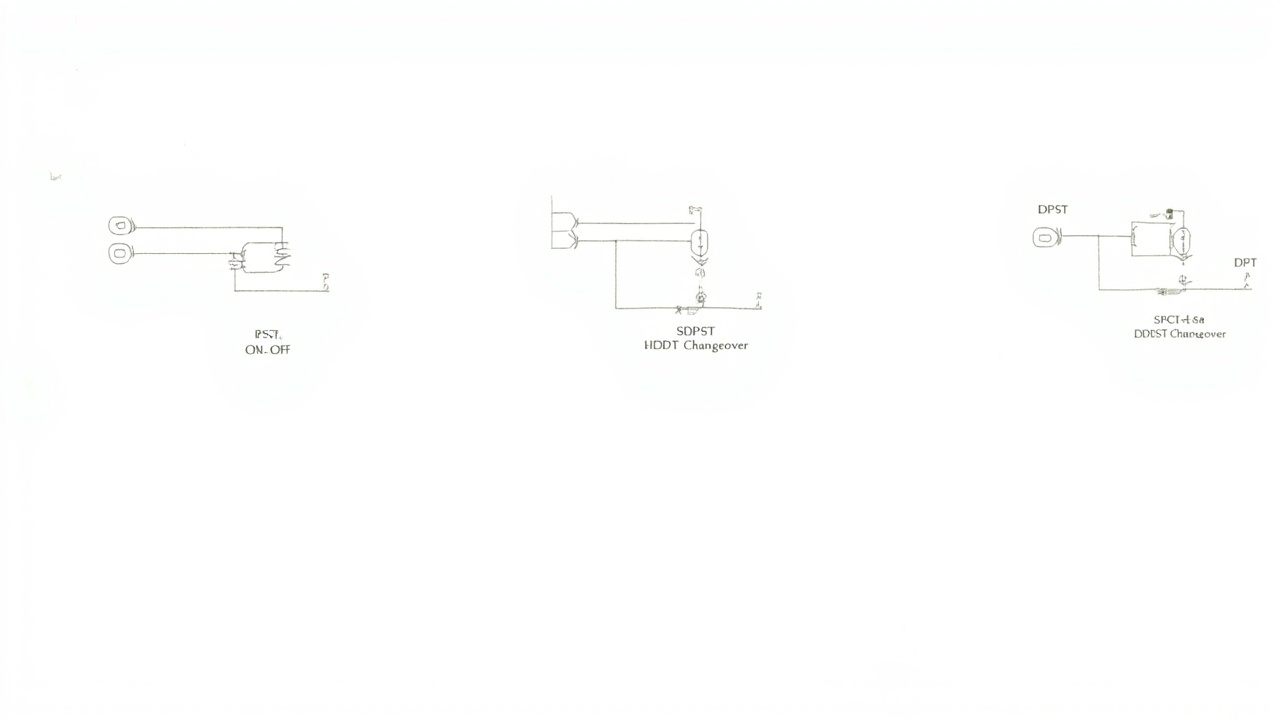
3. Circuit Configuration
Micro switches come in different contact configurations: SPST (Single Pole Single Throw), SPDT (Single Pole Double Throw), and DPDT.
4. Environmental Conditions
Your operating environment significantly impacts switch selection. Consider temperature range, humidity/moisture, dust/debris, and chemical exposure. For moist environments, consider WEUP’s waterproof switches.
5. Mechanical Life Requirements
Mechanical life = the number of actuation cycles the switch can endure before failing. High-temperature and high-current operation significantly reduces mechanical life.
6. Safety Certifications
For commercial and industrial products, regulatory compliance is non-negotiable. All WEUP micro switches carry ISO 9001, UL, and CE certifications.
Application-Specific Recommendations
Automotive Electronics: High-temperature tolerance (+125°C), vibration resistance. Recommended: High-temperature micro switches.
Home Appliances: Aesthetics and tactile feedback. Recommended: Standard micro switches with reliable actuation.
Industrial Equipment: High mechanical life (500,000+ cycles), robust housing. Recommended: Industrial-grade sealed micro switches.
Medical Devices: Precise actuation force, strict material compliance. Recommended: High-reliability micro switches.
How to Evaluate a Supplier
Beyond the switch specifications, choosing the right supplier matters: manufacturing experience (10+ years), quality certifications (ISO 9001 minimum), customization capability, and technical support.
Frequently Asked Questions
Q: Can micro switches handle DC motors?
A: Yes, but derate the current rating by 50% for inductive loads.
Q: What’s the difference between a micro switch and a limit switch?
A: Micro switches are compact snap-action devices for low to moderate current. Limit switches are larger, more rugged devices for industrial position sensing.
Q: What causes micro switch failure?
A: Common causes: exceeding electrical ratings, mechanical wear, corrosion from moisture, solder joint fatigue.
Ready to explore our micro switch catalog?