Pushbutton switches are simple yet essential components in a variety of electronic devices and systems. They act as mechanical or electronic interfaces, allowing users to control circuits by applying pressure to the switch. When activated, they either complete or break an electrical circuit, enabling or disabling a function within the device.
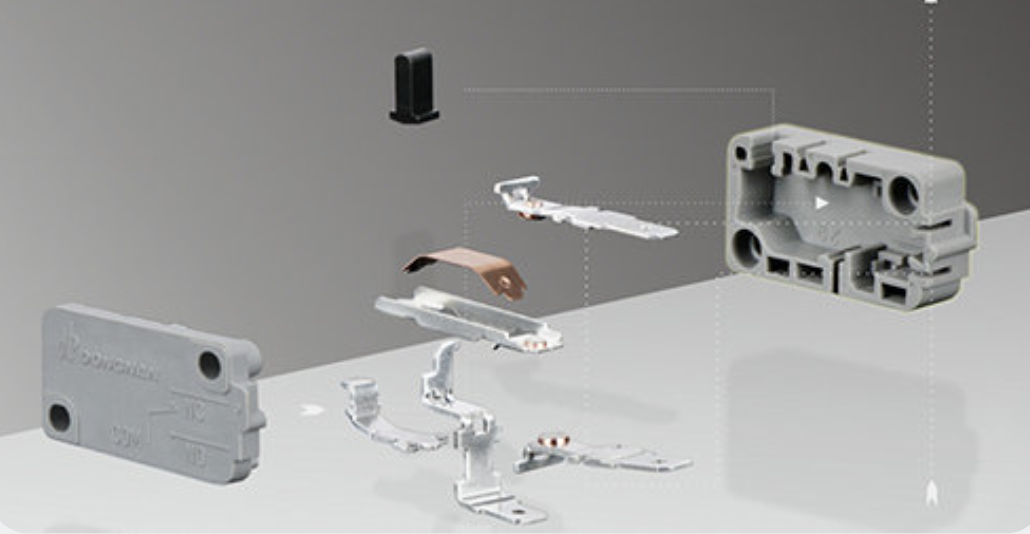
The basic construction of a pushbutton switch comprises several key components:
- Actuator: The visible part of the switch that the user presses, made from plastic or metal for ease of use.
- Spring: A mechanism that returns the actuator to its original position after being pressed, offering tactile feedback to the user.
- Contacts: Conductive metals within the switch that create or break an electrical connection when the actuator is pressed, allowing current to flow.
- Housing: The outer shell that contains and protects the internal components from environmental factors, ensuring durability.
Pushbutton switches are integral to everyday electronic applications, including household appliances, computers, machinery, and automotive systems. Their operational simplicity makes them a favored choice for manufacturers and users alike. In addition, they enhance automation and control in complex systems, providing user-friendly interfaces in various industrial equipment. The reliability of pushbutton switches further contributes to their widespread use, making them indispensable in modern technology.
To effectively select the right pushbutton switch for your application, it’s important to understand the different types available. Pushbutton switches can be categorized based on functionality, design, and intended use. Below, we outline the most common types and their specific applications.
- Momentary Switches: These switches maintain their electrical connection only while being pressed, commonly used in applications like doorbells or keyboard keys where temporary activation is required.
- Latching Switches: Unlike momentary switches, latching switches stay in their on or off position after being pressed, ideal for applications requiring a sustained signal, such as power control for electronic devices.
In addition to the basic types, certain switches feature enhancements for visibility and functionality:
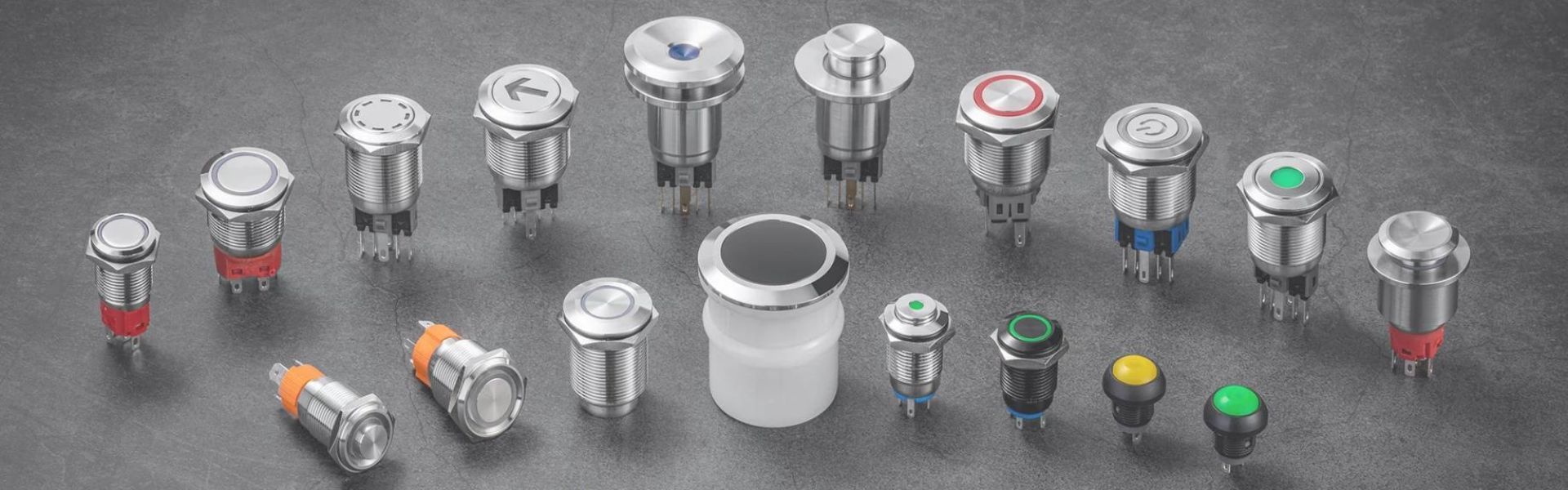
- Illuminated Switches: Equipped with built-in lights that indicate their status, these switches are beneficial in low-light conditions or within complex control panels, illuminating when activated or remaining lit as a constant reminder of their status.
- Anti-Vandal Switches: Built to withstand harsh environments, these switches incorporate robust construction, often utilizing stainless steel or reinforced plastic casings, and are commonly found in public spaces like subway stations.
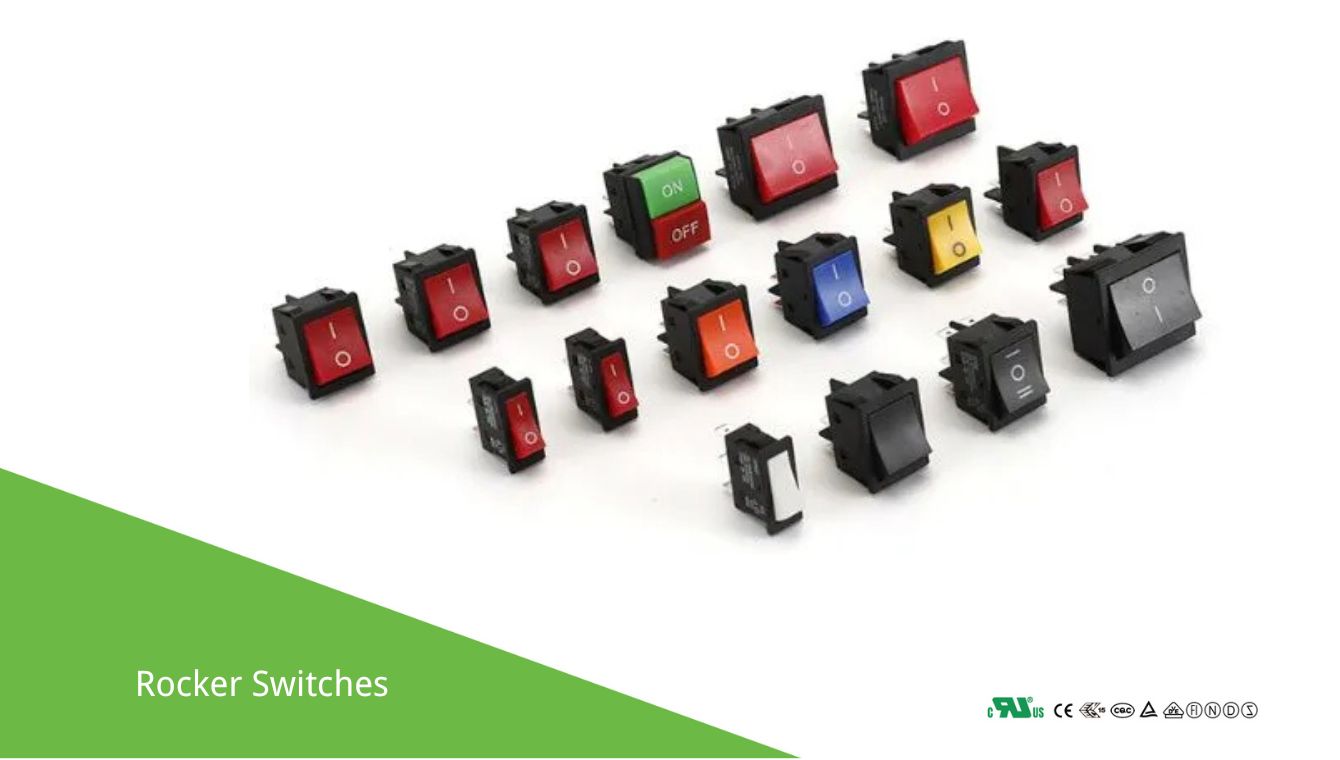
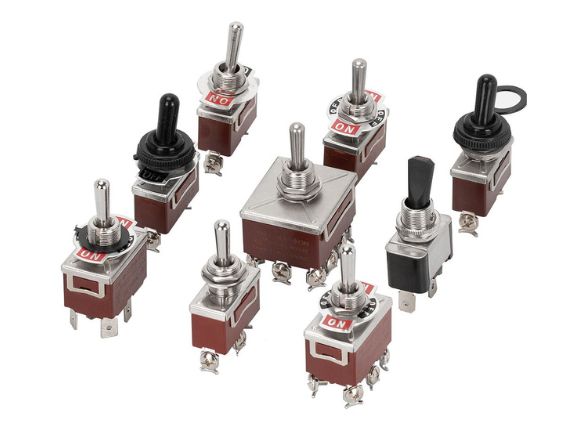
- Toggle Switches: Though not pushbuttons, toggle switches often coexist in control panels with pushbuttons, providing a reliable method for device control in various environments.
Considering these types and their unique advantages is essential in selecting the ideal pushbutton switch for your needs. Each category serves specific functions and scenarios, making it crucial to match the switch type with the intended application.
When choosing the appropriate pushbutton switch for your application, several key factors should be taken into account to ensure optimal performance and reliability. Here are the main considerations:
- Electrical Ratings and Specifications: Evaluate the voltage and current requirements for your specific application. Pushbutton switches come with various electrical ratings, and selecting the correct one will prevent potential failures and ensure safe operation.
- Durability and Environmental Ratings: Consider the switch’s operating environment. Look for switches rated for dust and moisture ingress, typically denoted by IP (Ingress Protection) ratings. Additionally, assess the switch’s mechanical durability, including the number of actuations it can withstand, to guarantee longevity.
- Size and Mounting Options: The size of the pushbutton switch is vital, particularly in applications with limited space. Determine the panel thickness and cutout dimensions required for installation. Mounting options can vary from panel mount to PCB mount, so select one that best fits your space and design requirements.
- Aesthetic Considerations and Usability: The pushbutton switch’s design can influence your equipment’s overall appearance. Consider color, shape, and feedback mechanisms (such as tactile or audible clicks) that enhance user experience. A switch that is visually appealing and easy to operate can improve user satisfaction and operational efficiency.
In summary, a thorough evaluation of electrical ratings, durability, size, and aesthetic elements will aid you in selecting the best pushbutton switch tailored to your needs. For quick reference, here’s a checklist of key considerations:
- Electrical ratings and specifications
- IP ratings for environmental protection
- Size and mounting compatibility
- Design and usability features
With the key selection factors identified, it’s clear that pushbutton switches are prevalent across various industries, providing a reliable means of controlling devices and machinery. Their versatility and ease of use make them a staple in numerous applications, as outlined below.
- Consumer Electronics: Pushbutton switches are commonly found in everyday household appliances and gadgets. For instance, a simple pushbutton on a microwave oven allows users to start or pause cooking with a single touch. Similarly, televisions, gaming consoles, and various remote controls utilize these switches for quick access to functions like power, volume, and channel changing.
- Industrial Applications: In industrial settings, pushbutton switches are crucial for machinery control. They function as start/stop buttons on conveyor systems, emergency stop controls on heavy equipment, and operational toggles for various manufacturing processes. Their robust design ensures they can endure harsh environments while providing reliable operation—even under high-stress conditions.
- Automotive Applications: Pushbutton switches have transformed ignition systems in the automotive industry. Many modern vehicles now offer keyless entry systems with pushbutton starts, improving convenience and security. Further applications include window controls, seat adjustments, and infotainment system activation, designed to enhance user experience.
- Smart Home Technology: Advances in smart home technology have seen the integration of pushbutton switches in home automation systems. They can manage lighting, heating, and security systems, allowing users to conveniently control their environments through a single device. For example, a smart lighting system might utilize pushbutton switches to set mood lighting or activate outdoor lights when it gets dark.
These examples illustrate the extensive applications of pushbutton switches across various sectors, showcasing their functionality and significance in improving user interaction with technology.
Once you grasp the applications, selecting the right pushbutton switch can greatly influence your equipment’s performance and usability. Here’s a structured guide to help you effectively assess your needs:
- Identify the Application: Determine the specific application for which you need a pushbutton switch. Factor in the environment (industrial, commercial, residential), frequency of use, and the type of equipment involved.
- Evaluate Features: Assess essential features such as size, shape, and mounting style. Decide if you require illuminated switches or momentary versus maintained action switches.
- Check Compatibility: Ensure the switch is compatible with your existing hardware and electrical systems. Review voltage ratings, current capacity, and pin configuration to avoid installation complications.
- Prioritize Quality: Select switches from reputable manufacturers. Look for products that meet industry standards and certifications, ensuring durability and reliability.
- Set a Budget: Establish a budget for your purchase, balancing quality with cost. Keep in mind that cheaper options may lead to higher long-term expenses due to potential replacements or failures.
Additionally, consider reliable suppliers, both online and local, who offer warranties and customer support. Websites dedicated to electrical components often provide detailed specifications and customer feedback, aiding your decision-making process.
Buying Checklist:
- Application requirements
- Desired features (illuminated, momentary, etc.)
- Voltage and current specifications
- Physical compatibility with your setup
- Manufacturer credibility
- Budget range
By following this structured approach, you can ensure you select the most suitable pushbutton switch tailored to your specific needs.
Frequently Asked Questions (People Also Ask)
Understanding pushbutton switches can significantly enhance your decision-making process when choosing the right switch for your application. Below are some common queries regarding pushbutton switches.
- What is the difference between momentary and latching pushbuttons?
Momentary pushbuttons are activated only when pressed and return to their original state once released. In contrast, latching pushbuttons maintain their state after being pressed until they are pressed again, suitable for persistent actions such as turning devices on or off. - How do I install a pushbutton switch?
To install a pushbutton switch, start by ensuring your power source is turned off. Prepare the mounting hole in your panel according to the switch specifications. Connect the switch terminals to your circuit as per the manufacturer’s wiring diagram. Finally, secure the switch and power your circuit to test the installation. - What are common uses for illuminated push buttons?
Illuminated push buttons are frequently utilized in control panels and machinery where visibility in low-light conditions is essential. They indicate a device’s status, such as whether it is powered on or in standby mode, and are commonly found in consumer electronics, automotive applications, and industrial controls. - Can pushbutton switches be used in outdoor applications?
Yes, many pushbutton switches are specifically designed for outdoor use, featuring weather-resistant housings and seals to protect against moisture and dust. When selecting a switch for outdoor applications, verify that it is rated for environmental exposure. - What should I look for regarding switch lifespan and durability?
When assessing switch lifespan, consider the rated operational cycles, indicating how many times a switch can be engaged before failure. Durability is also influenced by the materials used in construction, like stainless steel or plastic, along with the switch’s environmental ratings.