Understanding High-Pressure Homogenizer Switches: The Gatekeepers of Safety and Efficiency
In fields such as food processing, biomedicine, and chemical engineering, high-pressure homogenizers have become indispensable core equipment in production processes due to their powerful material refinement and mixing capabilities. Within the operation and safety system of this precision equipment, switches play a crucial role as "gatekeepers".
1. Basic Understanding of High-Pressure Homogenizer Switches: Types and Core Functions
The switches of a high-pressure homogenizer are not a single component but a collection of multi-type control units designed according to the equipment's operating requirements. Different types of switches undertake different functions and together form the "nerve center" of the equipment.
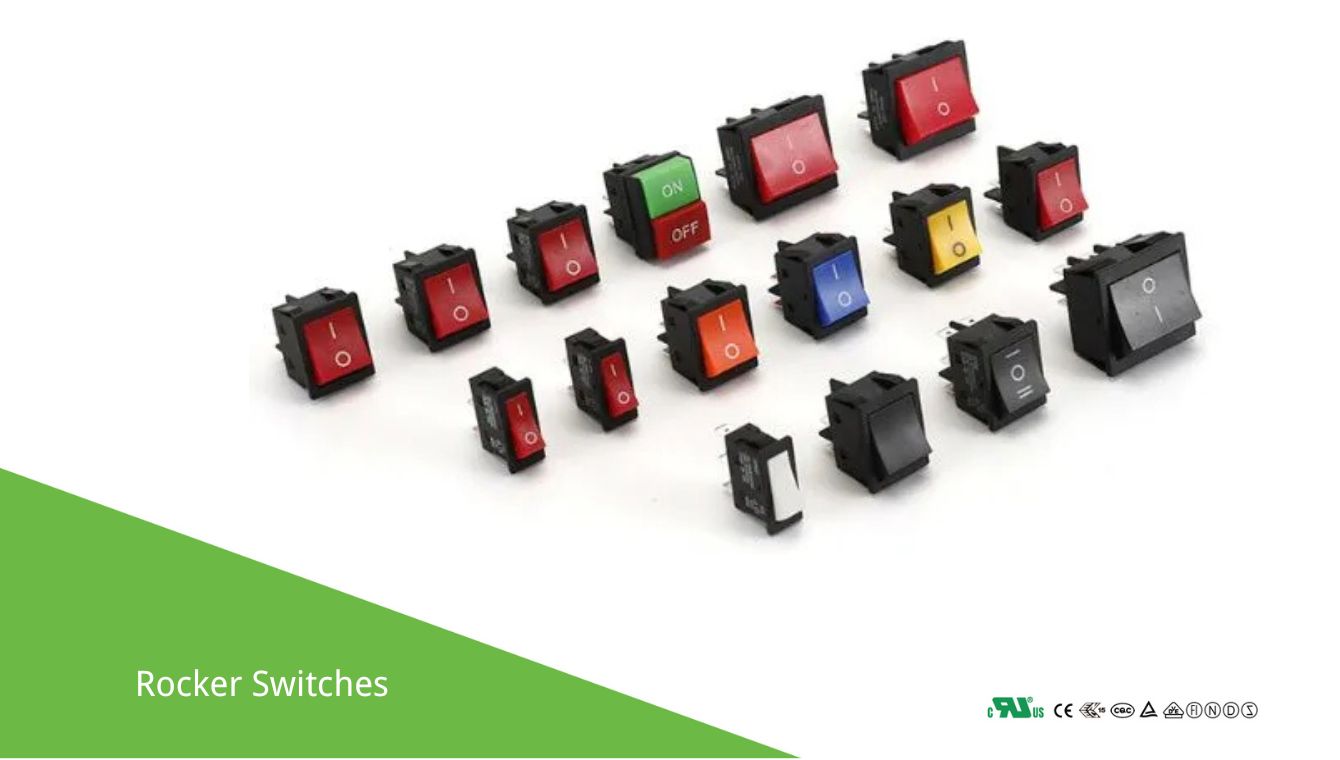
Main Power Switch
This serves as the main hub connecting the high-pressure homogenizer to the external power supply system, usually designed as a circuit breaker with leakage protection.
- Controls main power on/off
- Overload and short-circuit protection
- Leakage protection (trips within 0.1s)
- IP65 or higher protection rating required in food/biomedical environments
Operation Control Switches
Directly related to the working status of the homogenizer, available in various forms for different control functions.
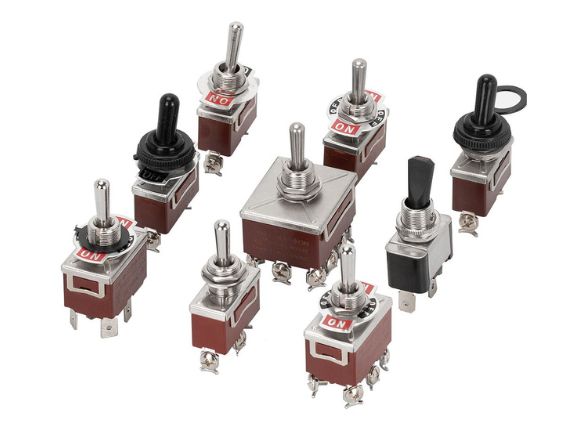
- Knob-type: Mode selection (Standby-Operation-Cleaning)
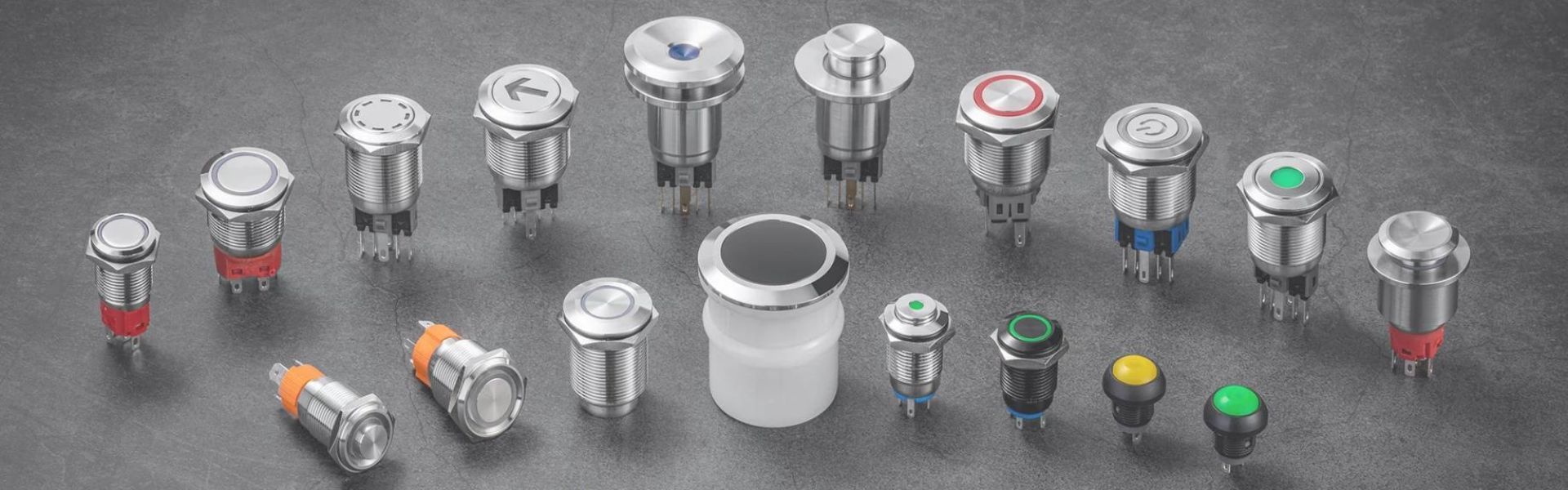
- Button-type: Start, Stop, Emergency Stop (mushroom head)
- Touch-type: Modern interfaces with integrated parameter display
Auxiliary Function Switches
These include cooling system switches and feed pump switches, which are interlocked with the main operation system for safety.
Safety interlock example: The main operation switch remains locked if the feed pump switch is off, preventing equipment damage from running idle.
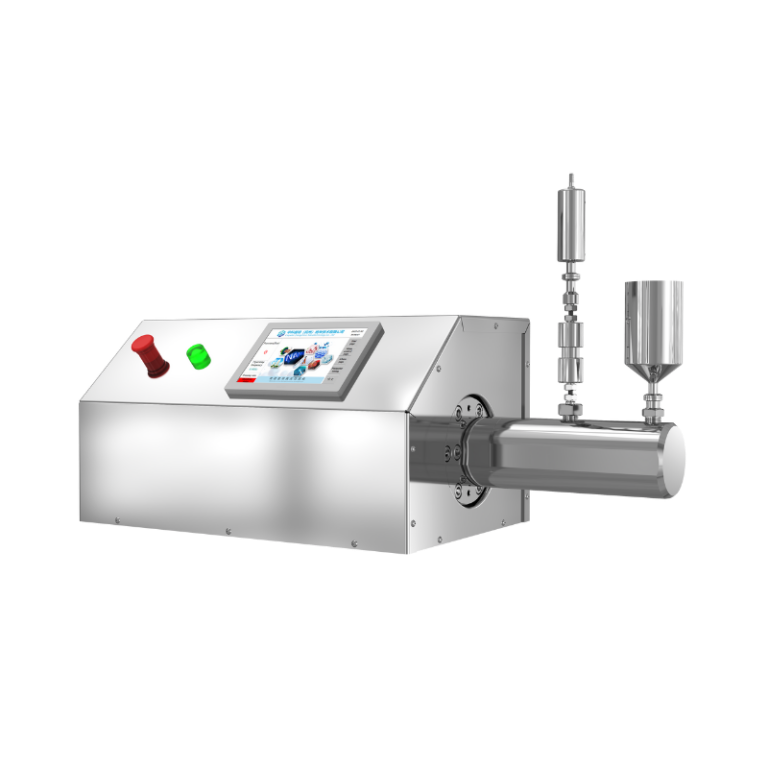
2. Operating Specifications: Full-Process Control from Start-Up to Shutdown
Correct operation of switches is the prerequisite for stable equipment operation and personnel safety. Follow the full-process specifications below to avoid equipment failures or safety accidents.
| Phase | Switch Operation Sequence | Key Safety Checks |
|---|---|---|
| Pre-startup Inspection |
|
|
| Start-up Operation |
|
|
| Normal Operation |
|
|
| Shutdown Operation |
|
|
⚠️ Critical Safety Reminders:
- Never start main operation without cooling system and feed pump activated.
- Press emergency stop immediately for abnormal vibration, noise, or pressure spikes.
- Avoid direct main power disconnection during temporary stops; follow proper shutdown sequence.
- Keep hands dry when operating switches to prevent electrical hazards.
3. Troubleshooting and Maintenance: Extending Switch Service Life
During long-term use, switches may malfunction due to environmental factors, operating frequency, or component aging. Timely troubleshooting and maintenance are key to ensuring reliability.
Poor Contact
Symptoms: Flickering lights, intermittent operation.
Solution: Disconnect power, polish contact surfaces with fine sandpaper, tighten terminals.
Frequent Tripping
Symptoms: Main power switch trips repeatedly.
Solution: Check for circuit shorts/overloads, verify breaker rating matches equipment current, replace if needed.
Failure to Reset
Symptoms: Emergency stop button stuck in pressed position.
Solution: Disassemble switch, clean debris, replace spring if damaged, ensure smooth operation.
Maintenance Schedule
Weekly
- Visual inspection of all switches
- Emergency stop reset flexibility
- Knob switch smoothness
- Touch switch responsiveness
Monthly
- Tighten switch terminals (power off)
- Clean switch surfaces
- Check indicator lights
- Test emergency stop function
Quarterly
- Add waterproof gaskets (humid environments)
- Apply anti-scratch film (touch screens)
- Dust-proof treatment
- Contact resistance measurement
Note: Never tap or force switches with tools. Use only manufacturer-approved cleaning agents.
4. Technological Development and Safety Management: Intelligence and Standardization
Smart Switch Evolution
High-pressure homogenizer switches are evolving from traditional mechanical designs to intelligent, IoT-enabled systems.
- Data collection: Records operation time, state changes, and switch cycles
- Cloud integration: Uploads data to management platforms for predictive maintenance
- Remote control: Enables start/stop operations via mobile apps for multi-device management
- Predictive alerts: Warns of potential failures (frequent tripping, contact aging)
Industry-Specific Safety Standards
- Food processing: Switch materials must be food-grade (no heavy metal leaching)
- Biomedical: Explosion-proof switches required for flammable material handling
- Chemical engineering: Corrosion-resistant coatings for aggressive environments
- General requirements: Compliance with IEC, UL, CE, and ISO 9001 certifications
Best Practices for Operational Safety
Training & Drills
- Regular emergency stop operation drills
- Switch operation competency assessments
- Emergency response simulations
- New equipment orientation sessions
Documentation & Accountability
- Maintain switch operation logs
- Record maintenance activities
- Assign switch responsibility
- Document incident reports
Conclusion
Although the switches of high-pressure homogenizers are "small components" of the equipment, they bear the important mission of "great safety" and "high efficiency". Only by thoroughly understanding their types and functions, strictly following the operating specifications, and maintaining diligent daily maintenance can we fully leverage their protective role.
Ensuring the stable, safe, and efficient operation of high-pressure homogenizers provides solid support for the smooth progress of production processes across industries.