
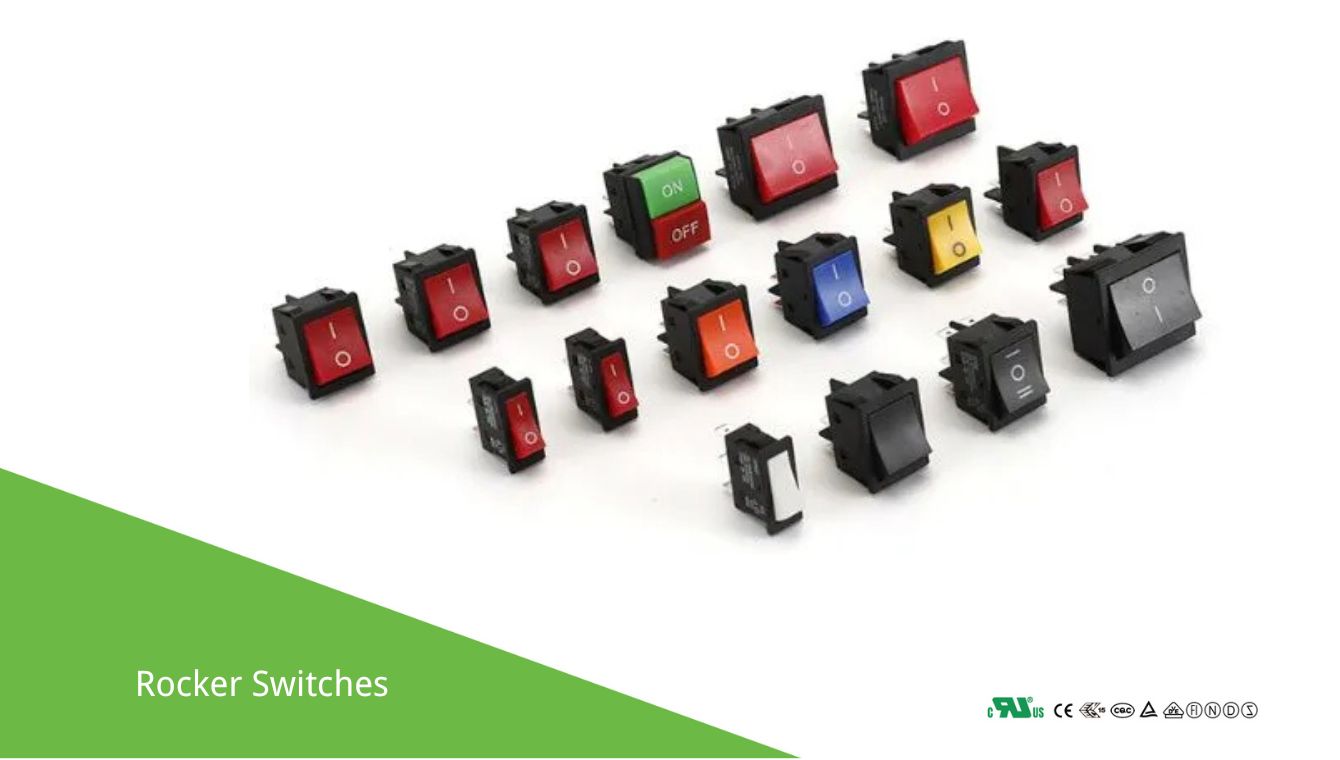
Understanding Rocker Switches
A rocker switch is an electrical device activated by a simple rocking motion, typically serving as an on/off control mechanism. This intuitive design facilitates easy toggling, making rocker switches a popular choice in various applications.
The mechanical characteristics of rocker switches include their dual-position functionality, which provides users with clear feedback through a tactile click upon activation. These switches come in various sizes and configurations, enhancing their versatility for installation. Electrical characteristics include voltage and current ratings, commonly ranging from low voltage (12V) to standard household voltage (120V or 240V). Such ratings are crucial for ensuring compatibility with the intended applications.
Due to their functional attributes and versatility, rocker switches are used in a multitude of sectors:
- Residential Use: Frequently found in lighting fixtures, fans, and home appliances, thereby providing ease of control.
- Automotive Applications: Commonly installed in vehicles for controlling interior lights, power windows, and heating systems, enhancing user convenience.
- Industrial Settings: Often used in control panels for machinery and equipment, facilitating quick and safe operation in high-demand environments.
In summary, rocker switches are integral to modern electrical and electronic systems, balancing functionality with user accessibility. Their unique operational design, coupled with diverse applications across various sectors, solidifies their popularity as a reliable switch option.
Types of Rocker Switches
As we explore rocker switches further, it’s essential to recognize that they come in different configurations, each tailored to specific applications. Understanding these types is vital for selecting the right switch for your needs.
- SPST (Single Pole Single Throw) Switches: The most basic type, SPST switches control a single circuit, connecting or disconnecting it. They are typically used in simple on/off applications, such as household lighting.
- DPST (Double Pole Single Throw) Switches: These can control two separate circuits simultaneously but toggle them together as a single switch. This feature is particularly beneficial in applications where multiple circuits need to be powered or turned off together, like in larger appliances.
- DPDT (Double Pole Double Throw) Switches: DPDT switches can toggle between two different circuits, providing flexibility in controlling multiple devices. They are especially useful for reversing motor directions or switching power between two different devices.
- Illuminated Rocker Switches: These include built-in lights to indicate when a circuit is active, enhancing usability and safety in low-light environments, making them ideal for automotive or marine applications.
- Specialty Switches: This category includes weatherproof switches designed for outdoor use and momentary switches that return to their original position after being pressed. These are critical in industrial settings where environmental factors or specific operational requirements exist.
Ultimately, selecting the right rocker switch hinges on the electrical load, environment, and intended function, making an understanding of these types essential for effective equipment management.
Technical Specifications and Features
Once familiar with the different types, it’s crucial to delve into the technical specifications of rocker switches, as these details significantly influence the selection of the appropriate component for your application. Several key factors affect their performance, including voltage ratings, current ratings, material considerations, size, mounting options, and environmental resilience.
- Voltage Ratings: Rocker switches are available with various voltage ratings, typically ranging from 12V to 250V AC or DC. It’s crucial to match the switch’s voltage rating with the system voltage to ensure safe and reliable operation.
- Current Ratings: This rating indicates the maximum current the switch can handle without overheating. Common ratings include 5A, 10A, and 15A, with the appropriate rating chosen based on the specific load requirements of your application.
- Material Considerations: Rocker switches are often made from thermoplastics for their lightweight and insulating properties, while higher-end models may feature metal housings for added durability. Each material presents distinct advantages that affect both aesthetics and performance.
- Size and Mounting Options: The size of rocker switches varies widely, with standard dimensions typically designed for panel mounting. Options include through-hole and surface mount configurations, allowing flexibility for installation based on available space.
- IP Ratings and Environmental Factors: The Ingress Protection (IP) rating indicates the switch’s ability to resist dust and moisture. An IP67 rating, for instance, signifies that a switch is dust-tight and can be submerged in water up to 1 meter, making it suitable for harsh conditions.
By considering these specifications carefully when selecting a rocker switch, you can ensure optimal performance and longevity in your intended application.
Comparing Rocker Switches to Other Switch Types
While rocker switches are commonly utilized across various applications, understanding their advantages and disadvantages compared to other switch types is essential for making an informed choice. In the following section, we will compare rocker switches with toggle and pushbutton switches, emphasizing their distinctive features.
- Rocker Switches vs. Toggle Switches:
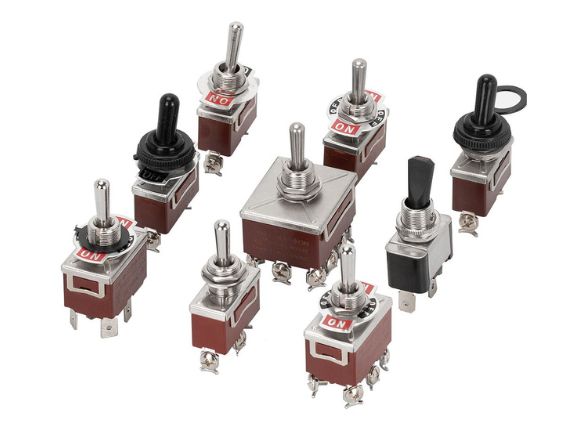
- Operation: Rocker switches tilt from one side to another, providing tactile feedback, while toggle switches operate by moving up and down.
- Space Efficiency: Rocker switches often require less installation space than toggle switches, making them ideal for compact applications.
- Durability: Rocker switches are typically rated for more cycles than toggle switches, which may wear out over time, especially with frequent use.
- Rocker Switches vs. Pushbutton Switches:
- Usage: Rocker switches are perfect for applications needing a constant on/off status, while pushbuttons are better suited for momentary operations.
- Feedback: Rocker switches provide a distinct click or feel when activated, making it easier for users to confirm if the switch is active.
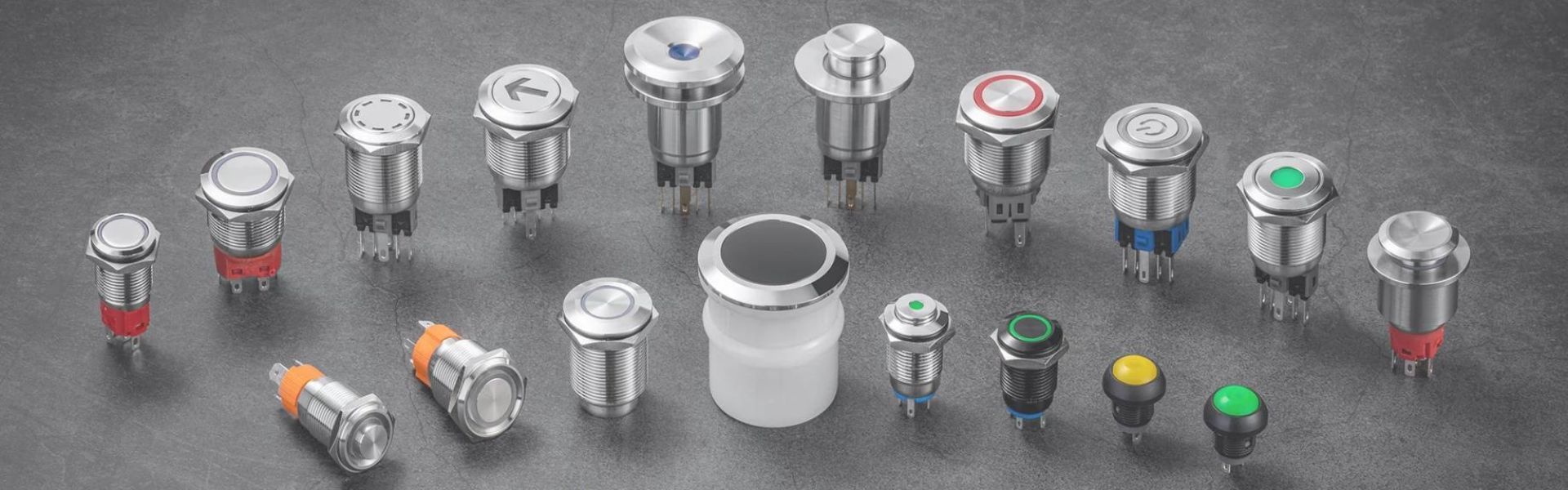
- Design: Rocker switches often have a modern aesthetic, aligning with design trends in consumer electronics, while pushbuttons may appear more utilitarian.
In conclusion, rocker switches offer a blend of user-friendly operation, space efficiency, and durability, making them a versatile option for many applications. While toggle and pushbutton switches have their advantages, rocker switches shine in scenarios where tactile feedback and continuous operation are prioritized.
Buying Guide: How to Choose the Right Rocker Switch
When selecting the right rocker switch for your application, it is essential to evaluate several key factors carefully. The purpose and environment of use are critical to ensuring functionality and durability.
- Application: Determine the specific function of the rocker switch. Is it intended for automotive, industrial, or home use? Different environments may require switches with varying levels of resistance to moisture, dust, and temperature extremes.
- Electrical Requirements: Assess the voltage and current specifications to ensure the switch can handle the expected electrical load. Always refer to manufacturer guidelines to avoid under- or overloading.
- Aesthetic Preferences: Consider how the rocker switch visually integrates into the overall design of your equipment or space. Options vary from sleek modern designs to more traditional styles.
When purchasing rocker switches, it’s crucial to be aware of common errors. A frequent mistake is neglecting the switch’s current rating and voltage compatibility, which can result in circuit failures or safety hazards. Additionally, overlooking durability, especially for demanding applications, can lead to premature switch failure.
To ensure you select quality rocker switches, choose reputable distributors or manufacturers known for their reliability. Reading reviews and verifying certification standards can help mitigate the risk of acquiring inferior products.
Employ this checklist to evaluate key features when selecting rocker switches:
- Appropriate voltage and current ratings
- IP rating for environmental resistance
- Type of actuator (momentary vs. maintained)
- Mounting style (panel, surface, etc.)
- Aesthetic design and color options
By adhering to these guidelines, you can confidently choose a rocker switch that satisfies both your functional and aesthetic needs.
Real-World Applications and Use Cases
Rocker switches are versatile components used extensively across various sectors, offering intuitive control for electrical devices. Their design and functionality cater to numerous applications in residential, automotive, and industrial environments. Here are some prominent examples:
- Home Applications: In residential spaces, rocker switches are often leveraged for lighting control. They can effortlessly operate overhead lights, lamps, and even ceiling fans. Their aesthetic appeal and user-friendly operation make them favored in contemporary home designs.
- Automotive Uses: In vehicles, rocker switches enhance management of additional features like windshield wipers, interior lighting, and auxiliary functions. For example, off-road vehicles frequently use these switches to control winches or auxiliary lights, ensuring easy access and responsiveness while driving.
- Industrial Equipment: In industrial settings, rocker switches feature in machinery and control panels due to their durability and reliability. They manage power equipment, conveyor belts, and emergency stop functions, where a swift visual and tactile response is crucial for safety and efficiency.
Because of this, user needs significantly shape the choice and application of rocker switches. For example, in home settings, users might prioritize visual compatibility with décor, while in industrial environments, the focus may shift to robustness and IP ratings that cater to tough conditions. Furthermore, ease of use is paramount; rocker switches are instinctively operable, minimizing the learning curve for new users.
For instance, consider a case study in which an automotive manufacturer integrated rocker switches into the dashboard of a new SUV model. This decision stemmed from comprehensive user feedback indicating the need for easily accessible controls that enhance driver safety. The outcome was not only improved user experience but also an enhancement of the vehicle’s overall functionality.
Overall, rocker switches demonstrate their efficacy across multiple contexts, establishing themselves as fundamental elements in design and functionality decisions for various applications.
Frequently Asked Questions (People Also Ask)
This section addresses common inquiries about rocker switches, offering insightful answers to assist in making informed choices.
- What are the main benefits of using rocker switches?
Rocker switches are user-friendly, providing a clear visual cue for operation. They are generally compact, easy to install, and come in a variety of styles and colors, making them suitable for numerous applications. - How do I properly install a rocker switch?
To install a rocker switch, ensure the power is off first. Connect the switch terminals to the wires per the wiring diagram included with the switch. Secure it in the panel cutout and fasten it with screws or clips for a snug fit to prevent vibration. - What factors should I consider for high-load applications?
For high-load applications, consider the switch’s current and voltage ratings. Choose switches rated for higher loads than your requirements to ensure safety and longevity. Additionally, assess thermal management and select switches made from suitable materials for better durability. - Are rocker switches suitable for outdoor use?
Yes, rocker switches can be appropriate for outdoor applications if they are rated for weather resistance and possess an IP (Ingress Protection) rating that meets environmental conditions. Always opt for switches specifically designed for outdoor use to prevent malfunction. - How do I determine the right voltage rating for a rocker switch?
The correct voltage rating for a rocker switch is based on the voltage of the circuit it controls. Always select a switch with a voltage rating equal to or higher than the circuit voltage to prevent electrical failures. - What is the expected lifespan of rocker switches?
The lifespan of rocker switches varies but typically ranges from 10,000 to 25,000 operations for standard switches. Factors such as load, environment, and usage frequency will influence longevity.
stromectol prices
stromectol prices
viagra pills for men
viagra pills for men
minoxidil finasteride
minoxidil finasteride
vardenafil
vardenafil
sertraline 50 mg pill
sertraline 50 mg pill