
Why the Electrical Industry Needs Standardized Symbols and Terms
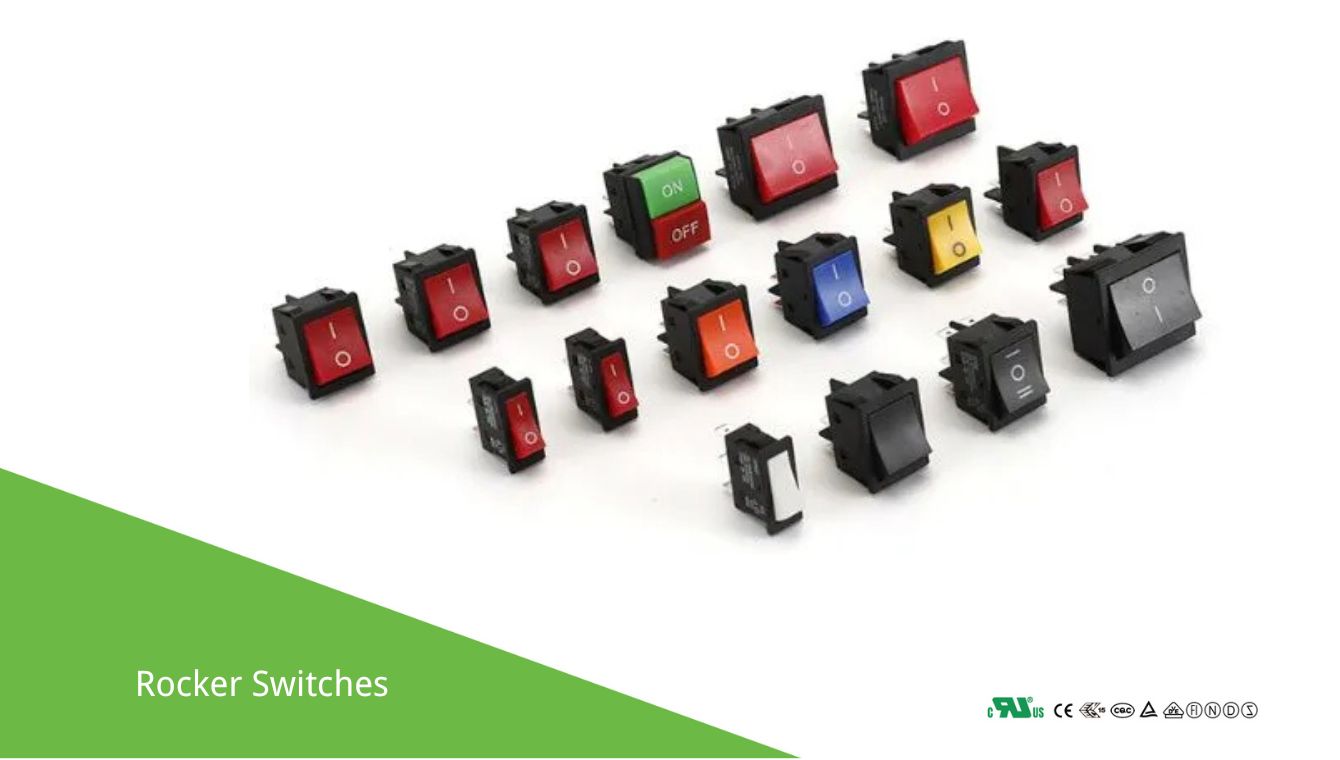
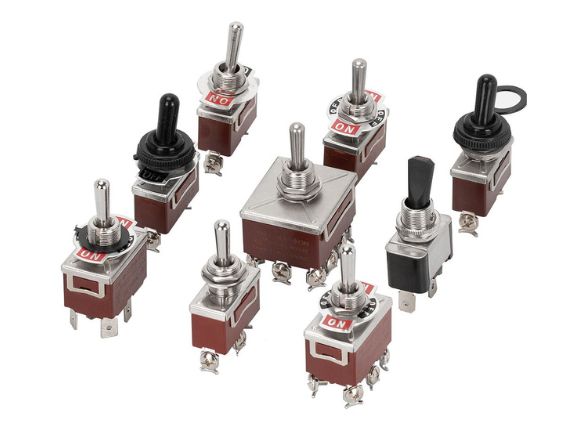
As a manufacturer of switches, especially in the global market, we understand the importance of precision and clarity in designing and installing electrical systems. Standardizing symbols and terms in the electrical industry is crucial for efficient communication and safety. Here’s a simple and easy-to-understand explanation of why these standards matter so much.
1. Improve Global Communication
The electrical industry involves engineers, technicians, and installers from all around the world. Different countries and regions speak different languages, but electrical diagrams act as the universal language for all electrical systems. Without standardized symbols and terms, miscommunication could occur. For example, our switches, made in China, may be exported to Europe or the Americas. Standardized symbols ensure that electricians worldwide can understand and correctly install our products.
2. Reduce Operational Errors
In electrical systems, a small error can lead to equipment damage or even safety hazards. Standardized symbols and terms ensure that everyone interprets electrical diagrams and instructions the same way, reducing the chance of mistakes due to language differences. It’s similar to traffic signs—everyone understands what they mean, which helps prevent accidents and ensures safety.
3. Simplify Training and Education
Standardization also makes training and education in the electrical industry much simpler. Whether it’s in schools or during employee training, using the same symbols and terms helps trainees quickly understand electrical systems. As a manufacturer, we see the benefits of this in how easily our workers can grasp production and installation processes, leading to increased efficiency.
4. Facilitate Product Design and Development
For manufacturers like us, standardized symbols are helpful not only in streamlining internal design and production but also in making products more accessible to the global market. With unified standards, we don’t have to customize symbols or manuals for different markets, simplifying the product development and manufacturing processes.
5. Enhance Safety
Electrical work involves high risks, and any operational mistake can be dangerous. Standardized symbols and terms ensure that everyone involved in the process interprets electrical systems the same way, significantly reducing safety hazards caused by misunderstandings. For example, a “switch” symbol represents the same thing in every country, providing consistent safety across global electrical operations.
| Symbol | Meaning in Circuit |
| A | Ampere (Current) |
| A | Analog Signal |
| AC | Alternating Current |
| ACC | Accelerate |
| ADD | Add (Additional Function or Setting) |
| ADJ | Adjustable |
| ASY | Asynchronous |
| AUT | Automatic |
| AUX | Auxiliary |
| B | Brake (In a circuit, typically for motor control) |
| BK | Black (Wire Color) |
| BL | Blue (Wire Color) |
| BW | Backward |
| C | Control |
| CCW | Counterclockwise Rotation |
| CW | Clockwise Rotation |
| D | Delay |
| D | Differential |
| D | Digital Signal |
| DC | Direct Current or Decrease |
| EM | Emergency |
| F | Fast (Speed or Frequency) |
| FB | Feedback |
| FW | Forward |
| GN | Green (Wire Color) |
| H | High (Voltage or State) |
| IN | Input (Signal or Connection) |
| L | Low (Voltage or State) |
| L | Left (Directional Control) |
| M | Middle or Manual (Control Mode) |
| MAN | Manual (Operation) |
| N | Neutral (Wire or Signal) |
| OUT | Output (Signal or Connection) |
| P | Pressure (Sensor or Signal) |
| R | Right (Directional Control) |
| R | Reverse |
| R | Record (Data or State) |
| RD | Red (Wire Color) |
| RES | Reserve or Reset |
| RST | Reset (Return to Default State) |
| RUN | Run (Operation Active) |
| S | Signal (Generic or Specific) |
| SAT | Saturate or Saturated |
| SET | Set (Configuration or Value) |
| ST | Start |
| STE | Step (Increment or Mode) |
| STP | Stop |
| SYN | Synchronous |
| V | Voltage or Vacuum |
| WH | White (Wire Color) |
| YE | Yellow (Wire Color) |
Conclusion
Standardizing symbols and terms in the electrical industry not only makes global electrical work more efficient and safe, but it also helps manufacturers like us introduce products smoothly to international markets. This consistency benefits the entire industry, allowing everyone to work under a unified standard and contributing to the advancement and safety of electrical systems worldwide.
We hope this explanation helps you understand why the electrical industry needs standardized symbols and terms. We believe standardization is key to driving progress and ensuring safety in the industry.